
ADHD, autism, and neurodivergence therapy in Beverly Hills
Being neurodivergent is not a problem to be fixed. What's often exhausting is living in systems built for someone else's brain. Our Beverly Hills practice offers neurodivergent-affirming therapy for children, teens, and adults with ADHD, autism, and related differences, in person and online throughout California.
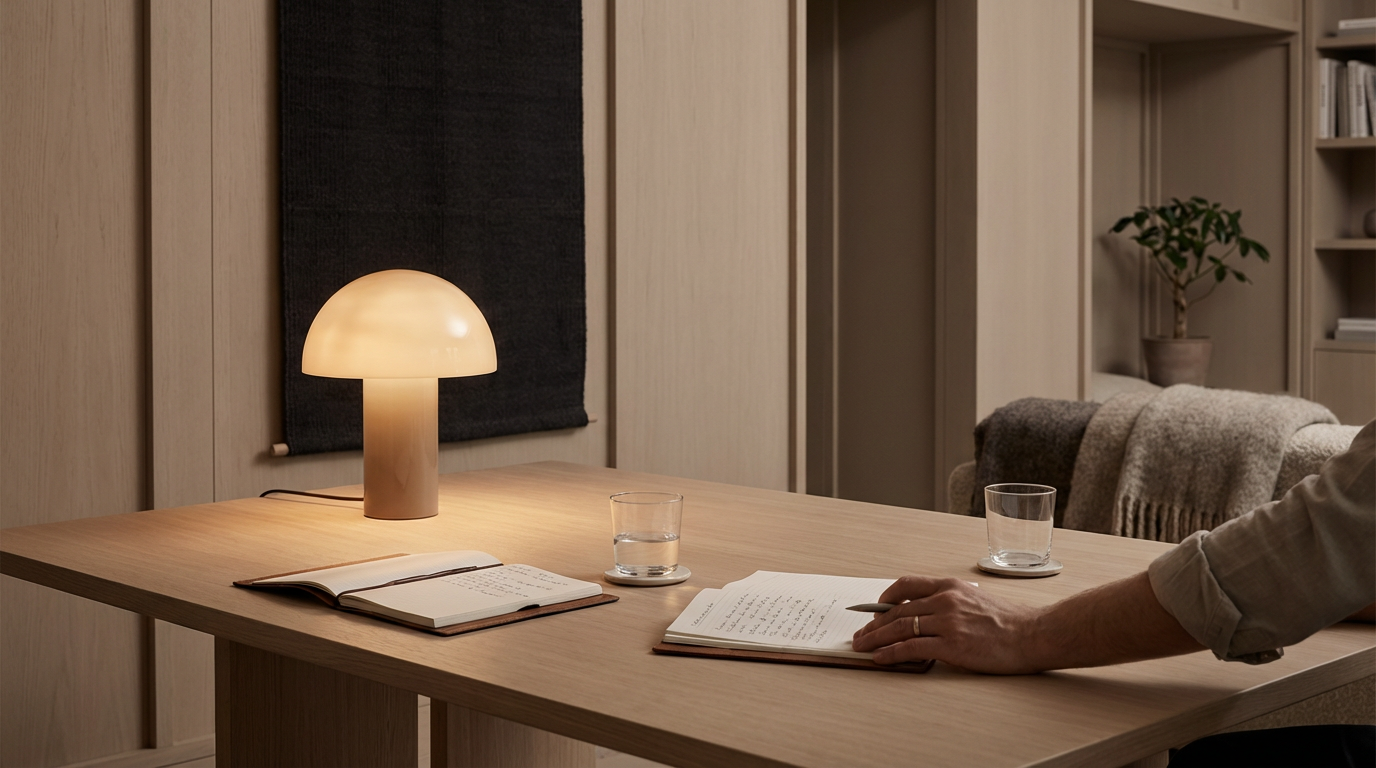
People come to us when
- They’ve just been diagnosed, as a child or as an adult, and are still making sense of it
- They suspect they’re autistic or have ADHD but have never been evaluated
- Masking all day leaves them depleted by evening
- Executive function struggles are affecting work, school, or home
- Their child’s school is raising concerns and they don’t know what to do next
- Sensory overwhelm, burnout, or shutdown is happening more often
- Years of being told to try harder have left them with anxiety and shame
How we can help
-
Especially people diagnosed later in life, who often carry years of self-blame. Therapy focuses on understanding how your mind actually works, building systems that fit it, and letting go of standards designed for someone else.
-
Support for kids navigating school demands, friendships, big feelings, and their own sense of being different, with parents involved throughout.
-
Guidance sessions that help parents understand their child's nervous system, reduce daily conflict, and advocate with schools.
-
Often the presenting problem isn't neurodivergence itself, but the exhaustion of accommodating everyone else.
How therapy helps with ADHD and autism
We start from the premise that your brain isn't broken. Therapy combines practical work on structure, energy, and self-advocacy with deeper work on the shame that builds up after years of being misread. Our clinicians draw on psychodynamic therapy, Internal Family Systems (IFS), CBT, and trauma-informed care, and we adapt the sessions themselves: pacing, lighting, movement, and communication style.
Clinicians who focus on this
-

Dr. Gozde Gokozan, PsyD, LMFT, LPCC
ADHD, autism spectrum differences, and related anxiety and OCD, for children, teens, and adults.
-
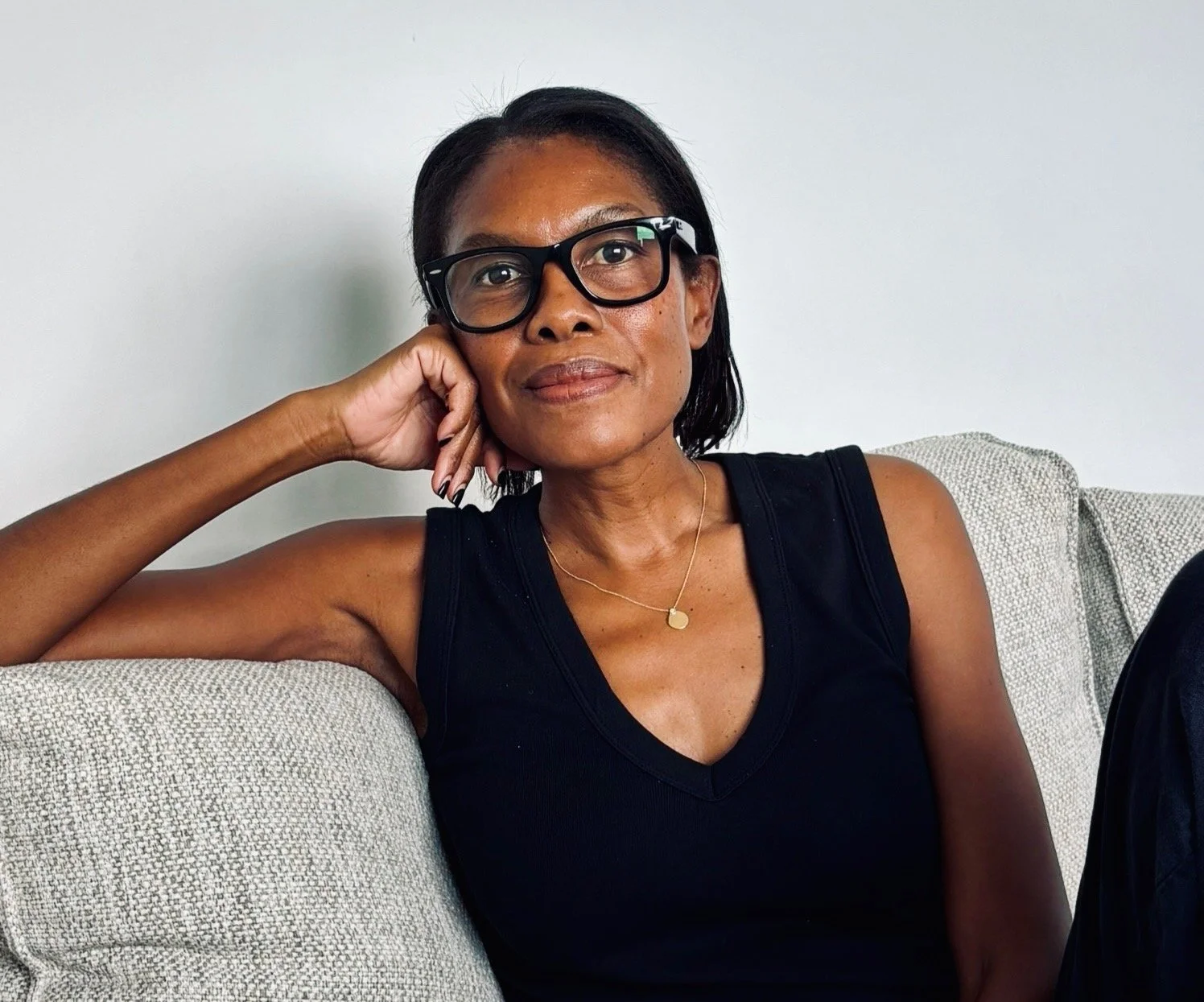
Mo Mokgobu, MA, APCC
Identity exploration related to diagnosis, masking, shame and relationships.
Common questions
-
We don't provide formal assessments, but we can help you decide whether testing would be useful, refer you to evaluators, and support you before and after a diagnosis.
-
Yes. Many people come to us while they're still figuring it out. You don't need a diagnosis to get support with what you're experiencing.
-
Yes. We see children, teens, and adults, and we work with parents alongside their child's therapy.
-
It means we don't treat your brain as a defect to correct. We work on what's genuinely hard, build on how you actually function, and never make masking the goal.
What to expect
-
A free 15-minute call.
You tell us what’s going on in your own words. We answer questions about how we work, insurance, and scheduling, and suggest the clinician who fits best.
-
Your first session.
During the intake, get the fuller picture: what brought you here, what you’ve already tried, and what you want to be different.
-
Ongoing therapy.
Most clients meet weekly at first. We check in regularly on what’s helping and adjust together.