
Trauma therapy and EMDR in Beverly Hills
Some pain doesn't stay in the past. It shows up in how you sleep, how you love, and how safe you feel in your own body. Our Beverly Hills practice offers trauma therapy for adults, teens, and children, including EMDR and longer-term work for complex and developmental trauma.
You stay in charge of what we explore and when. Going at your pace isn't a courtesy here, it's how trauma work actually succeeds.
People come to us when
- A recent accident, assault, or medical emergency keeps replaying
- Difficult childhood experiences still shape how they feel and relate today
- They feel on edge, numb, or flooded without an obvious reason
- Relationships keep repeating painful patterns
- They’re carrying the effects of abuse, racism, or trauma passed down through their family
- Sleep, concentration, or trust have never fully returned
- They’ve done talk therapy before and it didn’t reach this
How we can help
-
For a specific event: an accident, assault, medical emergency, or disaster. EMDR is often effective here, sometimes in a relatively short course of treatment.
-
For harm that happened repeatedly, often early, often from people who were supposed to keep you safe. This work is slower and focuses as much on relationship and safety as on memory.
-
Culturally affirming, trauma-informed care at whatever pace you need, with no pressure to tell the whole story before you're ready.
-
For harm carried through generations and reinforced by daily experience, held by a therapist who won't ask you to explain why it matters.
-
Frightening diagnoses, procedures, and hospital stays leave marks too.
How trauma therapy works
Trauma lives in memory and in the body, so effective treatment has to address both. Our clinicians use EMDR (Eye Movement Desensitization and Reprocessing), an evidence-based therapy that helps the brain process traumatic memories so they lose their charge, alongside Internal Family Systems (IFS), psychodynamic and attachment-based therapy, and trauma-informed care.
We start with stability, not with the worst memory. You'll build resources first, and we won't open anything you don't have support to close.
Clinicians who focus on this
-

Dr. Gozde Gokozan, PsyD, LMFT, LPCC
EMDR-certified, specializing in complex PTSD and the lasting effects of childhood trauma.
-
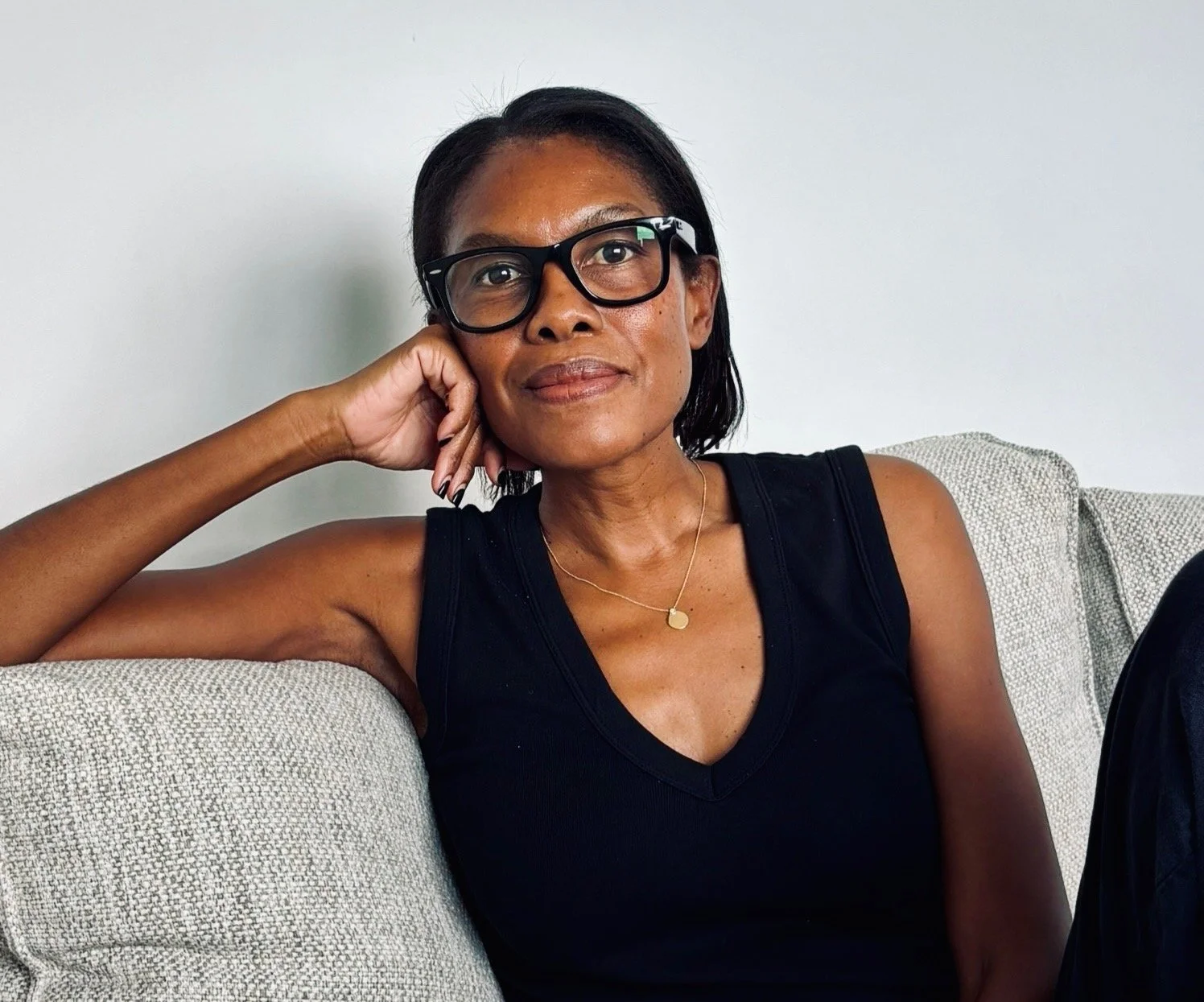
Mo Mokgobu, MA, APCC
Sexual abuse, racial trauma, and intergenerational trauma, with culturally affirming, trauma-informed care.
-
Liz Doyle, MA, AMFT
Traumatic grief & loss, medical trauma, intergenerational trauma
-

Maria (Mimi) Newman, AMFT
Traumatic grief & loss, caregiver trauma, medical trauma
Common questions
-
EMDR is an evidence-based therapy that uses guided eye movements or other bilateral stimulation while you recall a difficult memory. It helps the brain reprocess that memory so it feels like the past rather than the present. Sessions are structured and you stay in control throughout.
-
No. You decide what to share and when. Some approaches, including EMDR, require less verbal detail than people expect.
-
PTSD usually follows a specific event. Complex trauma follows repeated harm over time, often in childhood, and tends to affect identity and relationships more broadly. The treatment approach differs, and we'll talk through which fits.
-
It varies. A single-incident trauma treated with EMDR may take a few months. Complex trauma is longer work. We'll give you an honest estimate after a few sessions and revisit it together.
What to expect
-
A free 15-minute call.
You tell us what’s going on in your own words. We answer questions about how we work, insurance, and scheduling, and suggest the clinician who fits best.
-
Your first session.
During the intake, get the fuller picture: what brought you here, what you’ve already tried, and what you want to be different.
-
Ongoing therapy.
Most clients meet weekly at first. We check in regularly on what’s helping and adjust together.