
Why Heartbreak Hurts So Much, and When to Talk to a Therapist About It
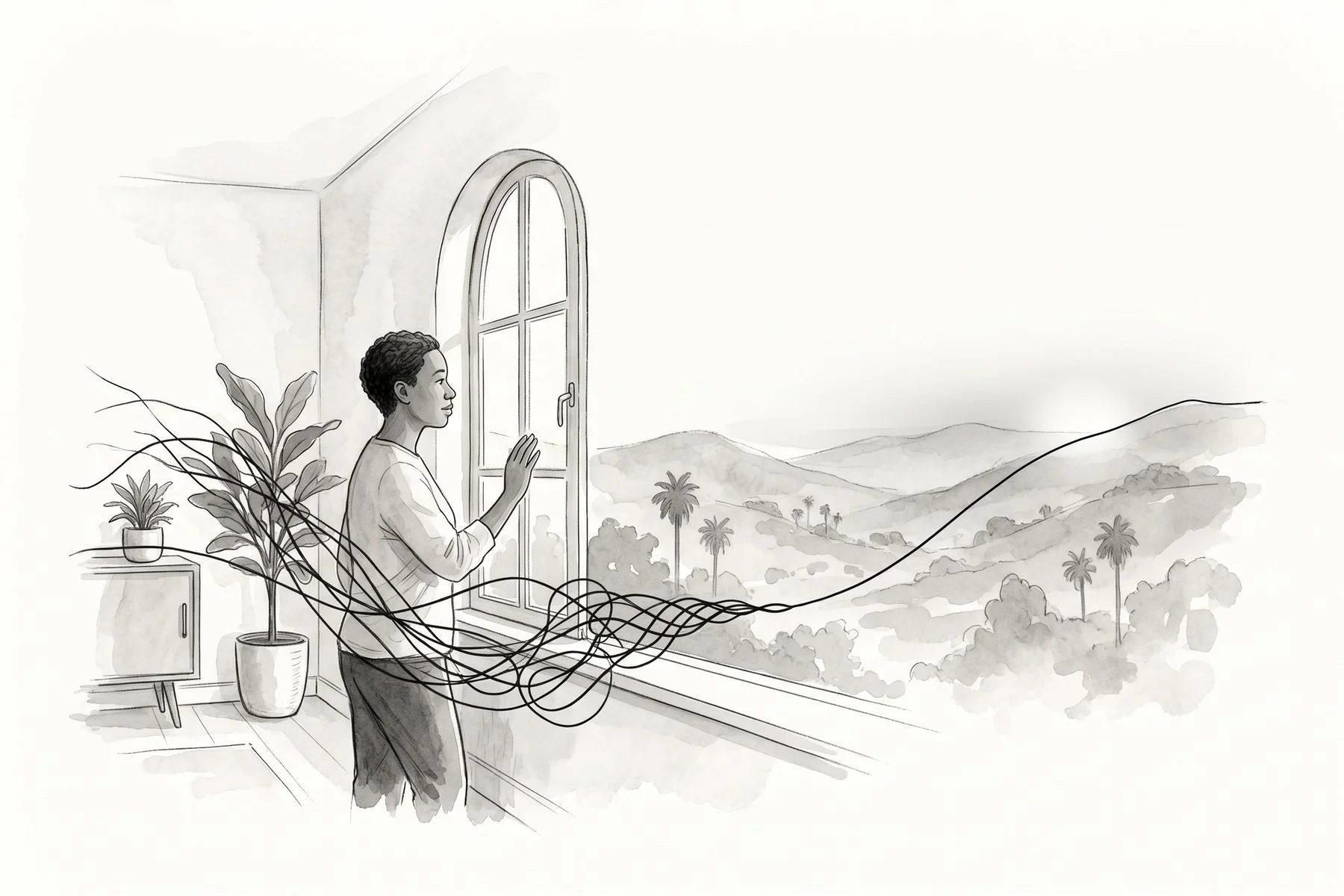
People sometimes feel embarrassed seeking therapy after a breakup, especially if it wasn't a marriage, because they assume an adult should be able to handle it alone.
But heartbreak can be one of the most painful experiences a person goes through, and there are good reasons it hurts as much as it does. If you've been stuck for months, can't stop checking your ex's social media, or feel like the breakup knocked something loose that goes deeper than this one relationship, therapy can help. This post explains why.
Why breakups hurt so much
Romantic attachment is wired deep. Research on the brain has found that the pain of romantic rejection activates some of the same regions involved in physical pain, and that longing for an ex can resemble craving. That's part of why you might find yourself doing things you know aren't helping, like rereading old texts or driving past their place.
A breakup is also a loss of the future you pictured, your daily routines, shared friends, sometimes a home or a pet, and a piece of your identity. In a city like LA, where many people live far from family, a partner may have been your primary support system. Losing them can leave you feeling untethered.
And unlike a death, a breakup often comes with rejection, unanswered questions, and the knowledge that the person is still out there, living their life without you.
Signs it may be time to talk to someone
There's no minimum level of pain required for therapy. But it may be especially helpful if:
Months have passed and the intensity hasn't eased
You can't stop ruminating about what went wrong or what you could have done differently
You're struggling to eat, sleep, work, or take care of yourself
You keep going back to the relationship even though you know it's not good for you
The breakup has stirred up older wounds, like fears of abandonment or not being enough
You notice you keep ending up in similar relationships, or similar breakups
You're considering self-harm or feel hopeless (if so, please call or text 988 now)
What breakup therapy actually involves
Therapy after a breakup usually works on two levels. The first is getting through the acute pain: grieving, managing the urge to reach out, rebuilding routines, and reconnecting with friends and parts of yourself you may have set aside.
The second is understanding. A therapist can help you look at the relationship with some compassion and some clarity: what drew you in, what patterns showed up, and what you want to do differently next time. For many people, this is where attachment comes in. If you tend to cling, pull away, or feel anxious in relationships, a breakup can be an opening to understand why, so the next relationship doesn't have to follow the same script.
The goal is to help you come through this, at your own pace, with more self-understanding than you went in with.
Other kinds of heartbreak
The end of a close friendship, an affair partner, a situationship, or a relationship that never became official can hurt just as much, and often gets even less sympathy. These losses deserve support too.
Breakup and heartbreak therapy at Therapia Psychotherapy Group
Therapia Psychotherapy Group in Beverly Hills specializes in dating, relationships, divorce, and heartbreak. Our clinicians help adults grieve the end of relationships, make sense of what happened, and understand the attachment patterns that influence how they love. Sessions are available in person or by secure video anywhere in California. At Therapia, cash-pay sessions start at $150 an hour, and the practice is in network with UnitedHealthcare/Optum, so many clients simply pay their copay, typically $20 to $40 a session. Most PPO plans also cover therapy, and out-of-network clients can request a superbill for potential reimbursement.
If a breakup has hit you harder than you expected, that's worth taking seriously. Therapia offers a free 15-minute consultation to match you with a clinician who gets it.
