
Medical Trauma: Why a Hospital Stay Can Stay With You, and How Therapy Helps
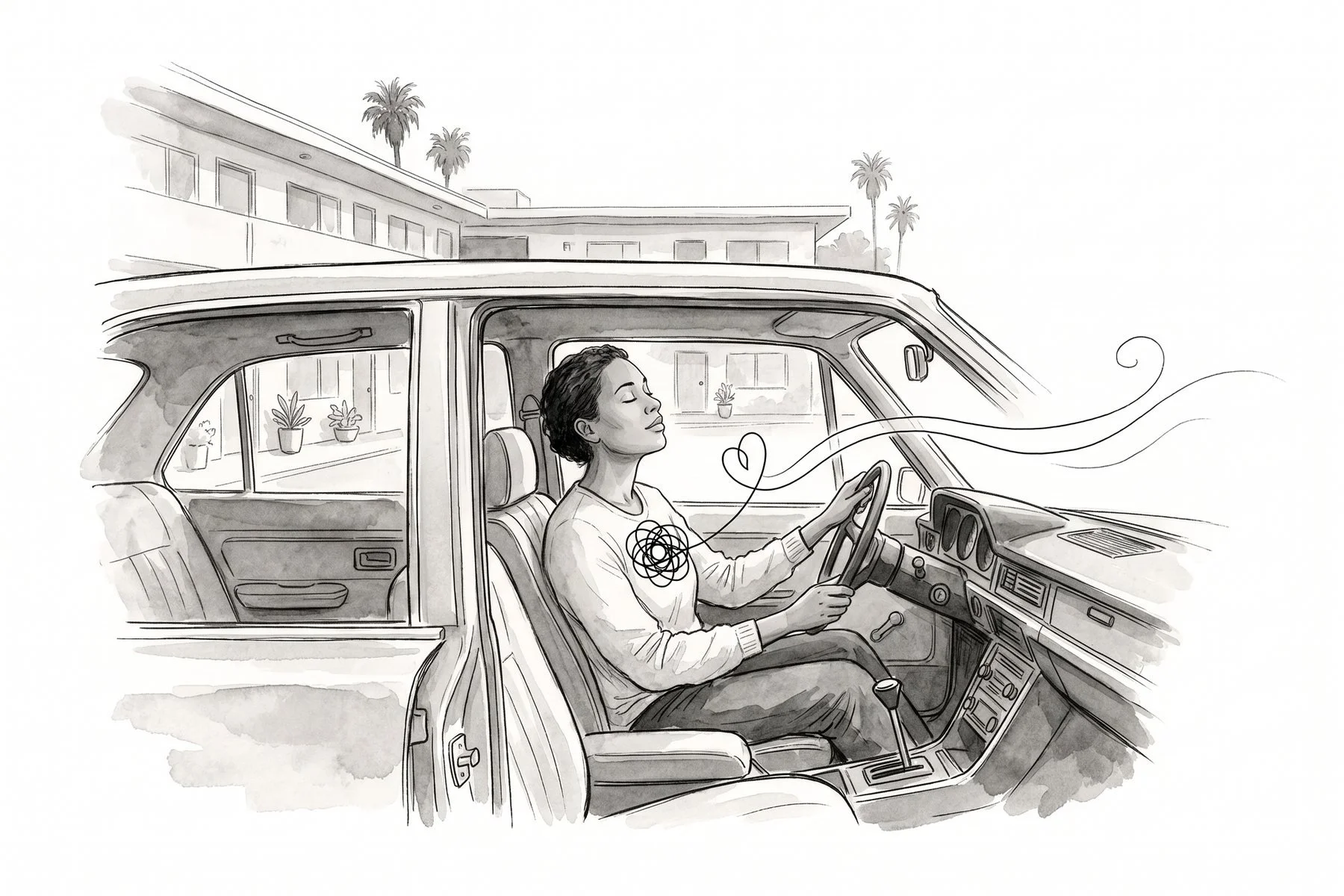
When people think of trauma, they usually picture violence, disasters, or accidents. But some of the most overwhelming experiences people ever have happen inside hospitals: a sudden diagnosis, an emergency surgery, days in intensive care, a birth that went wrong, or months of being poked, scanned, and handled while feeling completely out of control.
Medical trauma is common and very treatable, though it often goes unrecognized. This post covers what it is, how it shows up, and how to find a therapist in Los Angeles who knows how to help.
What counts as medical trauma
Medical trauma is a psychological stress response to illness, injury, or medical treatment. How serious the event looks on paper matters less than how it felt to you. Two people can go through the same procedure, and one walks away fine while the other can't stop reliving it. The more threatening or helpless the experience felt, the more likely it is to leave a lasting mark.
Common sources include:
Intensive care stays. Many ICU survivors experience lasting anxiety, depression, or PTSD symptoms, part of what's known as post-intensive care syndrome. Sedation, delirium, and fragmented memories can make these experiences especially hard to process.
Sudden or life-threatening diagnoses, such as cancer, a heart attack, stroke, or sepsis.
Emergency or complicated surgery, including waking up during procedures or unexpected complications.
Traumatic birth experiences for the birthing parent or the partner who witnessed them.
Being dismissed or mistreated in medical settings. Years of not being believed, misdiagnosis, or experiences of discrimination in healthcare can be traumatic in their own right, especially for people with chronic illness, women, people of color, and LGBTQ+ patients.
Witnessing a loved one's medical crisis. Caregivers and family members can develop trauma responses too.
Signs medical trauma might be affecting you
Medical trauma often looks like the broader family of trauma responses, with a healthcare-specific twist:
Intrusive memories, flashbacks, or nightmares about the hospital or procedure
Panic triggered by medical smells, sounds, beeping monitors, or white coats
Avoiding doctor's appointments, screenings, or follow-up care, even when you know you need them
Hypervigilance about your body, where every sensation feels like a sign of catastrophe
Feeling detached, numb, or like the experience happened to someone else
Irritability, trouble sleeping, or difficulty concentrating in the months afterward
Avoidance deserves special attention. Unlike many traumas, medical trauma often requires you to return to the setting where it happened. When fear keeps people from follow-up care, the trauma can start to affect physical health too, which is one reason treating it matters.
How therapy helps
Trauma-focused therapies have strong evidence behind them, and they work for medical trauma just as they do for other kinds. EMDR (Eye Movement Desensitization and Reprocessing), trauma-focused cognitive behavioral therapy, and cognitive processing therapy can help the memory lose its grip. Somatic and body-based approaches can help when the trauma lives mostly in physical reactions. And practical, collaborative work can make upcoming appointments more manageable: planning what to tell your providers, bringing support, and preparing coping tools for the waiting room.
A good medical trauma therapist will also recognize that your fear may be partly rational. If you were harmed or dismissed, the goal is to help you get the care you need without being flooded every time, rather than to convince you that medical settings are perfectly safe.
Finding a medical trauma therapist in Los Angeles
Look for clinicians who list medical trauma, health psychology, or trauma alongside chronic illness or oncology, since that combination suggests experience with both the trauma and the medical context. Ask in a consultation whether they're trained in a trauma-focused model like EMDR, and whether they've worked with people who have had ICU stays, surgeries, or difficult diagnoses.
If you're still in active treatment, check whether your hospital has a psychosocial or psycho-oncology program; many LA medical centers offer counseling for current patients. For ongoing individual work after discharge, a private practice with a medical trauma focus can offer more continuity.
Medical trauma therapy at Therapia Psychotherapy Group
Therapia Psychotherapy Group in Beverly Hills maintains a formal specialization in medical trauma, cancer, and chronic illness. Our clinicians help clients process frightening medical experiences and manage fear around ongoing care. Sessions are available in person or by secure video anywhere in California. At Therapia, cash-pay sessions start at $150 an hour, and the practice is in network with UnitedHealthcare/Optum, so many clients simply pay their copay, typically $20 to $40 a session. Most PPO plans also cover therapy, and out-of-network clients can request a superbill for potential reimbursement.
If a medical experience is still living in your body, you don't have to keep pushing through it alone. Therapia offers a free 15-minute consultation to match you with a clinician who understands medical trauma.
