
Living Between Two Worlds: Therapy for Bicultural and First-Generation Adults in Los Angeles
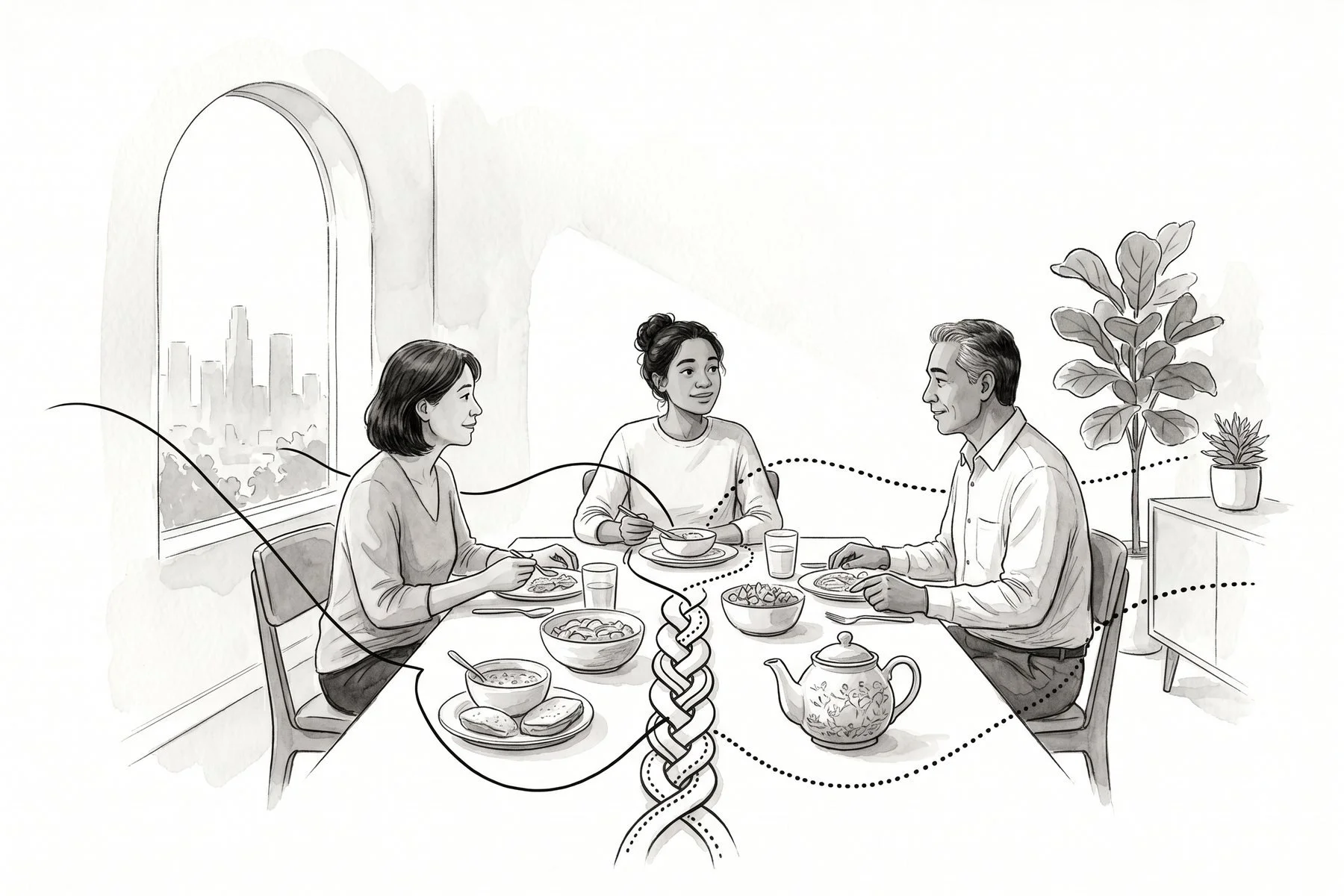
In Los Angeles, a huge share of people grew up between cultures: speaking one language at home and another at school, holding their family's values alongside the ones they absorbed from friends, teachers, and the wider world. That bicultural experience can be a source of richness and pride. It can also bring a particular kind of strain that people from a single culture may never fully understand.
If you're a first-generation American, the child of immigrants, a third-culture kid, or anyone who lives between cultural worlds, this post explores common challenges and how a culturally attuned therapist can help.
The quiet weight of living between cultures
Some of the experiences bicultural adults often describe:
Feeling "too much" of one culture and "not enough" of the other. Not fully belonging at home or outside it, sometimes called being "in between."
Family expectations that clash with your own path. Choosing differently from your family about career, marriage, religion, or where to live can feel like betrayal.
The weight of sacrifice. Knowing your parents gave up a great deal so you could have opportunities can create powerful pressure to succeed, and guilt when you want something different.
Being the family translator, literally and figuratively, often from a young age, handling adult responsibilities as a child.
Code-switching fatigue. Constantly adjusting how you speak, act, and present yourself depending on the setting.
Intergenerational trauma. Many immigrant families carry experiences of war, poverty, displacement, or persecution that were never talked about but still shape family life.
Mental health stigma. In some families and communities, therapy is seen as unnecessary, shameful, or disloyal, which can make seeking help feel complicated.
Why cultural attunement matters in therapy
A therapist who doesn't understand the bicultural experience may, with good intentions, treat your family's expectations as simply unhealthy and encourage you to "set boundaries" in ways that don't fit your values or your reality. That can leave you feeling misunderstood, or like you have to choose between therapy and your family.
A culturally attuned therapist starts from curiosity. They understand that interdependence isn't the same as enmeshment, that loyalty to family can be a deep value rather than a symptom, and that the goal is usually a way of living that honors the parts of each culture that matter to you. They also recognize the impact of racism, discrimination, and immigration-related stress as real forces beyond individual struggle.
What to look for
Look for therapists who mention multicultural counseling, first-generation clients, children of immigrants, or bicultural identity in their specialties. You might prefer a therapist who shares your background or language, and that's a completely valid preference. But shared identity isn't the only path to feeling understood. In a consultation, notice whether the therapist asks about your culture and family with genuine interest, and whether you feel you'd have to explain or defend yourself.
Therapy for bicultural adults at Therapia Psychotherapy Group
Identity and transitions, including bicultural stress and immigration, are a core specialty at Therapia Psychotherapy Group in Beverly Hills. Clinicians including Mokgadi (Mo) Mokgobu, APCC, work with first-generation and bicultural adults navigating family expectations, identity, belonging, and intergenerational patterns. Sessions are available in person or by secure video anywhere in California. At Therapia, cash-pay sessions start at $150 an hour, and the practice is in network with UnitedHealthcare/Optum, so many clients simply pay their copay, typically $20 to $40 a session. Most PPO plans also cover therapy, and out-of-network clients can request a superbill for potential reimbursement.
If living between two worlds feels heavy, Therapia offers a free 15-minute consultation to match you with a clinician who will meet you where you are, without asking you to choose.
