
Starting Over Somewhere New: Therapy for Immigrants and Expats in Los Angeles
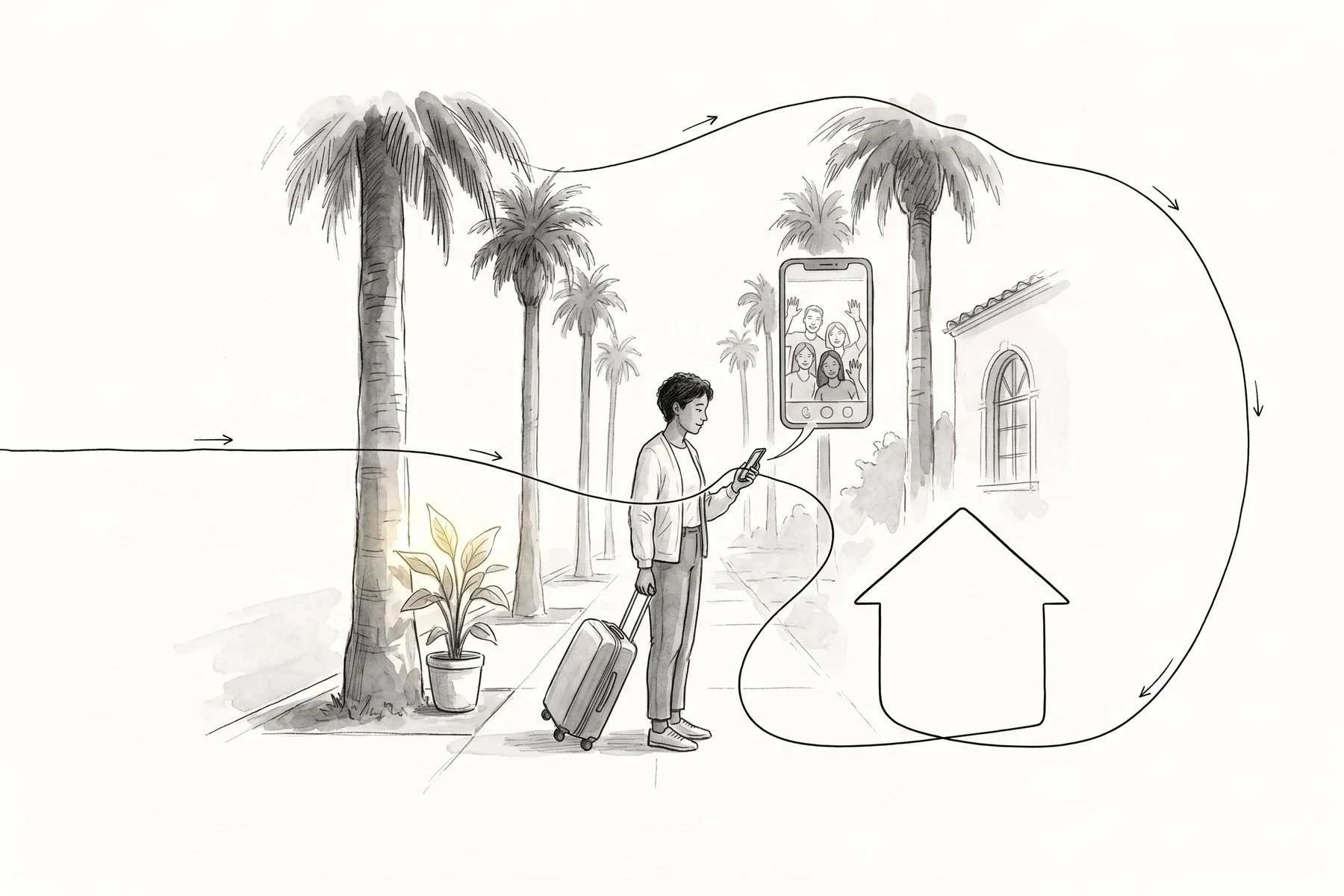
Moving to a new country takes courage, whether you came for work, love, safety, school, or a fresh start. Los Angeles is one of the most international cities in the world, and many people here built their lives after arriving from somewhere else. But even when the move was your choice and things are going well on paper, the emotional side of immigration can be heavy and surprisingly lonely.
This post explores what immigrants and expats often experience, and how therapy can help you find your footing.
What moving countries asks of you
Grief for what you left behind. Family, friends, language, food, landscapes, the feeling of being understood without explanation. This grief is often called ambiguous loss, because the people and places still exist but are no longer part of daily life.
Loneliness and rebuilding community. Adults rarely get the built-in social structures that help children make friends. LA's size and car culture can make this harder.
Identity shifts. Who you were at home, your status, your reputation, your ease in the world, may not translate. Highly accomplished professionals sometimes find themselves feeling like beginners again.
Language fatigue. Living and working in a second language is exhausting, and it can be hard to express your full personality, humor, or emotions.
Family distance and guilt. Missing births, weddings, illnesses, and funerals. Worrying about aging parents far away. Feeling pulled between two places.
Uncertainty. Visa timelines, work authorization, and changing policies can create ongoing stress that affects every other part of life.
Culture shock in relationships. Partners from different countries, or couples where one person moved for the other, often face added strain around family, roles, and belonging.
Acculturation isn't a straight line
Many people experience an initial excitement about a new place, followed by a period of frustration, homesickness, or disillusionment, before gradually finding a more settled balance. That balance usually comes from building an identity that includes both cultures. Therapy can support that process, especially during the harder middle stretch.
How therapy helps
Therapy offers a place to grieve what you've lost while making room for what you're building. It can help with loneliness, anxiety, and depression; with navigating long-distance family relationships and difficult news from home; with work stress and identity; and with the relationship strain that moving can create. For people who experienced trauma before or during migration, trauma-informed therapy can also help.
Therapists are not immigration attorneys and can't give legal advice. If you're worried about privacy, it's reasonable to ask any therapist how they handle confidentiality and what information they keep in records.
Finding the right therapist
Some people strongly prefer a therapist who shares their language or cultural background, and some find it easier to talk with someone outside their community. Either choice is valid. Look for clinicians who mention immigration, expats, acculturation, or multicultural counseling, and notice in a consultation whether they're curious about your particular story rather than assuming it.
Therapy for immigrants and expats at Therapia Psychotherapy Group
Identity and transitions, including immigration and bicultural stress, are a core specialty at Therapia Psychotherapy Group in Beverly Hills. Clinicians including Mokgadi (Mo) Mokgobu, APCC, support immigrants, expats, international students, and their partners through the emotional realities of building a life in a new country. Sessions are available in person or by secure video anywhere in California. At Therapia, cash-pay sessions start at $150 an hour, and the practice is in network with UnitedHealthcare/Optum, so many clients simply pay their copay, typically $20 to $40 a session. Most PPO plans also cover therapy, and out-of-network clients can request a superbill for potential reimbursement.
If you're finding the move harder than you expected, Therapia offers a free 15-minute consultation to connect you with a clinician who understands. Starting over is hard, and you don't have to do all of it alone.
