
Complex Trauma and C-PTSD: What It Is, and What Healing Can Look Like
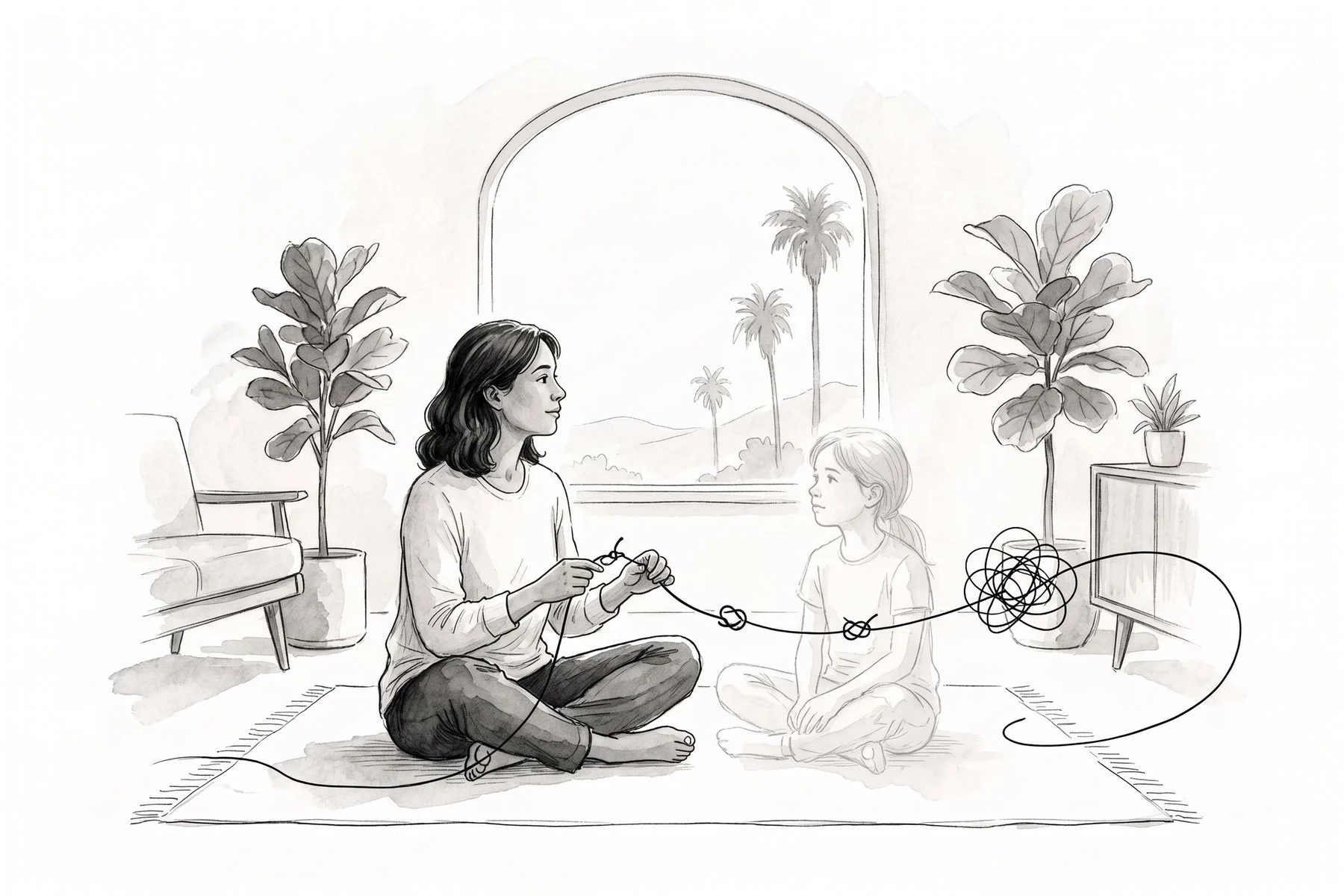
Some trauma comes from a single event: a car accident, an assault, a disaster. Complex trauma is different. It grows out of experiences that were ongoing, often inescapable, and usually happened in relationships that were supposed to be safe. Many people with complex trauma don't think of themselves as trauma survivors at all. They just know that relationships feel dangerous and that some part of them never quite relaxes.
If that sounds familiar, this post explains what complex trauma is, how it differs from PTSD, and how to find a therapist in Los Angeles who works with it.
What is complex trauma?
Complex trauma usually refers to repeated or prolonged harm, especially in childhood or in close relationships. It can include childhood abuse or neglect, growing up with a parent who had an addiction or serious mental illness, emotional abuse, domestic violence, long-term bullying, or chronic exposure to community violence or discrimination. It can also come from experiences like being a refugee or living through prolonged war.
The World Health Organization's ICD-11 recognizes Complex PTSD (C-PTSD) as a distinct diagnosis. It includes the core symptoms of PTSD, like re-experiencing, avoidance, and a persistent sense of threat, plus three additional areas of difficulty: regulating emotions, a deeply negative sense of self, and trouble feeling close to others. The American diagnostic manual, the DSM, doesn't list C-PTSD separately, but many clinicians use the concept because it captures what these clients actually experience.
How complex trauma can show up in adulthood
Complex trauma often doesn't look like "trauma" in the way movies portray it. It can look like:
A harsh inner critic or chronic shame, a sense of being fundamentally flawed
People-pleasing, difficulty saying no, or losing yourself in relationships
Intense reactions that feel out of proportion, followed by confusion about why
Feeling numb, disconnected, or like you're watching your life from outside
Being drawn to relationships that repeat old patterns
Difficulty trusting others, or trusting too quickly
Constant scanning for danger, even when nothing is wrong
Physical symptoms like chronic tension, digestive problems, or exhaustion
Many people with complex trauma have been diagnosed with depression, anxiety, or personality disorders over the years without anyone addressing the underlying history.
What healing looks like
Treatment for complex trauma is usually slower and more layered than treatment for single-event trauma, and that's by design. Many clinicians follow a phased approach. The first phase focuses on safety and stabilization: building a trusting relationship with the therapist and developing tools for managing overwhelming emotions. Processing traumatic memories comes later, once there's enough stability to do that without being flooded. The final phase is about building the life you want, with relationships and a sense of self that aren't organized around the trauma.
Approaches often used with complex trauma include Internal Family Systems (IFS), which works with the different "parts" of you that developed to survive; EMDR; somatic therapies that work with the body's stored responses; and relational psychotherapy, where the therapy relationship itself becomes a place to experience safety and repair. The specific model matters less than whether the therapist understands complex trauma and lets you set the pace.
Finding a complex trauma therapist in Los Angeles
When reviewing therapist profiles, look for explicit mention of complex trauma, C-PTSD, developmental trauma, or childhood trauma, not just "trauma" in a long list. In a consultation, ask how they approach pacing and stabilization. A therapist who wants to go straight to your worst memories in the first few sessions may not be the right fit for complex trauma.
It's also worth paying attention to how you feel with them. For people whose trauma happened in relationships, the therapy relationship is a big part of the healing. You're allowed to take your time deciding whether someone feels safe.
Complex trauma therapy at Therapia Psychotherapy Group
Therapia Psychotherapy Group in Beverly Hills specializes in acute and complex trauma. Clinicians including Mokgadi (Mo) Mokgobu, APCC, work with adults healing from childhood trauma, relational trauma, and the long shadows those experiences cast on relationships and self-worth. Sessions are available in person or by secure video anywhere in California. At Therapia, cash-pay sessions start at $150 an hour, and the practice is in network with UnitedHealthcare/Optum, so many clients simply pay their copay, typically $20 to $40 a session. Most PPO plans also cover therapy, and out-of-network clients can request a superbill for potential reimbursement.
If you're ready to explore therapy for complex trauma, Therapia offers a free 15-minute consultation to match you with a clinician who fits. There's no rush, since healing from something that took years to form can take time too.
