
Grief Therapy in Los Angeles: When Grief Needs More Than Time
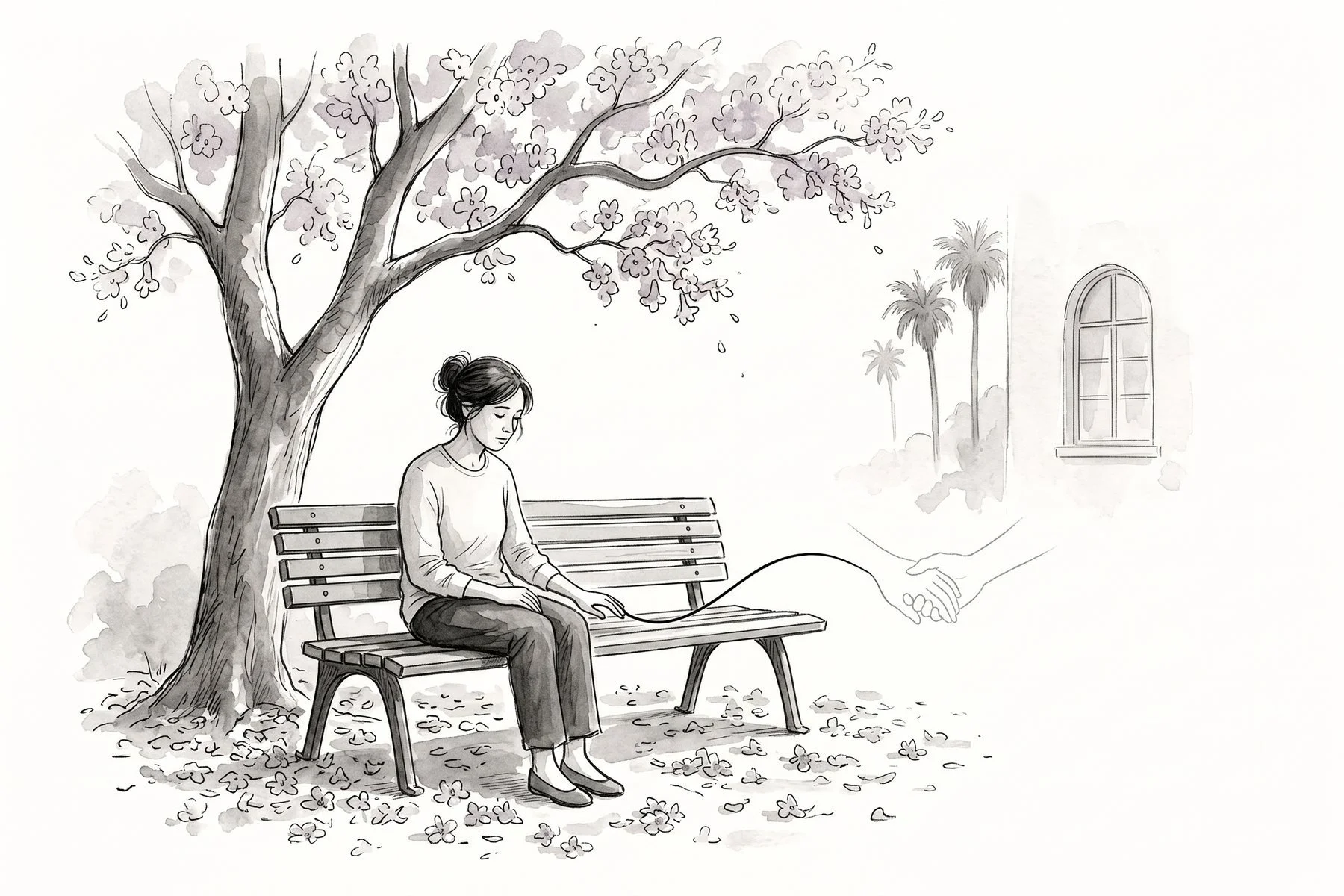
People often say grief takes time, and it does. But time alone isn't always enough, and "just give it time" can leave people waiting for relief that doesn't come. If you're looking for a grief therapist in Los Angeles, you might be months or years past a loss and still feel stuck, or grieving something others don't recognize as a loss at all.
This guide covers what grief therapy actually involves, how to tell when grief might benefit from support, the kinds of loss that often get overlooked, and where to find help across Los Angeles.
What grief therapy involves
Good grief therapy doesn't aim to help you "get over" a loss or move through tidy stages. The five-stage model most people know was originally developed to describe people facing their own deaths, not bereavement, and grief rarely follows a straight line. Many people move back and forth between waves of pain and stretches of ordinary life, sometimes within the same hour.
Contemporary grief work tends to focus on two things at once: making room for the pain of the loss, and gradually rebuilding a life around it. It also recognizes that relationships with the people we lose don't simply end. Many grieving people find comfort in maintaining a sense of connection, through rituals, conversations, or keeping alive what the person meant to them, and a good therapist supports that rather than treating it as avoidance.
Signs grief might benefit from therapy
There's no wrong time to seek support after a loss. Still, some patterns suggest grief may be getting stuck rather than slowly shifting:
Intense longing or preoccupation that isn't easing over many months. In 2022, the DSM-5-TR added Prolonged Grief Disorder, which for adults describes persistent, impairing grief lasting at least a year after the death. Most grieving people never meet that threshold, but the diagnosis reflects that for some people grief gets stuck rather than gradually softening.
Avoiding anything that reminds you of the person, or being unable to think about anything else.
Guilt or self-blame that keeps looping, especially after a sudden death, a suicide, or a death that followed hard medical decisions.
Feeling that life has lost meaning or that part of you died too.
Old losses resurfacing. A new death often reopens earlier grief that was never fully felt.
If thoughts of wanting to die or join the person you lost are part of your grief, please call or text 988 now to connect with the Suicide and Crisis Lifeline, which is available any time.
The losses people don't talk about
Some grief is recognized by everyone around you: the death of a parent, a spouse, a child. Other losses are just as real but get less acknowledgment, which can make them lonelier to carry. Grief therapists often call this disenfranchised grief. It can include pregnancy loss and infertility, the death of an ex-partner or estranged family member, the loss of a pet, the death of a friend when others see you as "just" a friend, or losing someone to dementia while they're still alive.
Anticipatory grief is also common: grieving someone who is seriously ill before they die. Caregivers in particular often feel guilty about grieving early, or about feeling relief when a long illness ends. Both reactions are normal and worth talking through.
Sudden and traumatic losses, such as accidents, overdoses, suicide, or violence, can combine grief with trauma symptoms like intrusive images or hypervigilance. In these cases, it helps to work with a therapist trained in both grief and trauma, since the trauma often needs attention before the grief can move.
What to look for in a grief therapist
Grief is part of almost every therapist's training, but depth varies a lot. When reviewing profiles or talking with a clinician, look for grief and bereavement listed as a primary focus rather than one of 30 specialties. Ask how they approach grief: a therapist who talks about "closure" or stages as a fixed path may be less attuned than one who talks about living alongside loss. If your loss was sudden or traumatic, ask about their trauma training. And ask whether they're comfortable with the spiritual, cultural, and family dimensions of mourning, since culture and family strongly influence how people mourn.
Grief support across Los Angeles
Los Angeles has strong free and low-cost grief resources, and many people combine a group with individual therapy.
OUR HOUSE Grief Support Center is one of LA's best-known grief organizations. It offers support groups for children, teens, and adults who have lost someone close, organized by age and by relationship to the person who died, so a widow and a bereaved sibling each join people who share their kind of loss. Spanish-language groups are available too. Call (310) 473-1511 for intake.
Didi Hirsch's Survivors After Suicide program is specifically for people who have lost someone to suicide. Groups run eight weeks, meeting weekly for 90 minutes, and each is led by a therapist specializing in suicide bereavement alongside a co-facilitator who has also lost someone to suicide. Contact Didi Hirsch's Suicide Prevention Center for current group times.
Hospice bereavement programs. If your loved one died in hospice care, the hospice likely offers bereavement support to the family for about a year afterward, at no cost. Many families don't realize this is available, so it's worth calling the hospice directly.
Individual grief therapy at Therapia Psychotherapy Group
Many people use both, since groups offer the relief of being with people who understand while individual therapy gives you room to explore your particular relationship and the complicated feelings that don't fit neatly into a group setting.
Therapia Psychotherapy Group in Beverly Hills has a dedicated focus on grief, loss, and bereavement. Clinicians including Mokgadi (Mo) Mokgobu, APCC, work with anticipatory grief, sudden and traumatic loss, grief after illness and caregiving, and the losses that often go unrecognized. Sessions are available in person or by secure video anywhere in California, which many grieving clients find easier on days when leaving the house feels like too much.
At Therapia, cash-pay sessions start at $150 an hour, and the practice is in network with UnitedHealthcare/Optum, so many clients simply pay their copay, typically $20 to $40 a session. Most PPO plans also cover therapy, and out-of-network clients can request a superbill for potential reimbursement.
Taking the first step
Asking for help while you're grieving can feel like one more task you don't have the energy for. You don't need to know what you want from therapy, or whether your grief is "bad enough." Wanting some company with your grief is reason enough to start.
If you're looking for a grief therapist in Los Angeles, Therapia Psychotherapy Group offers a free 15-minute consultation to match you with a clinician who fits what you're going through. Get in touch whenever you're ready.
